Introduction
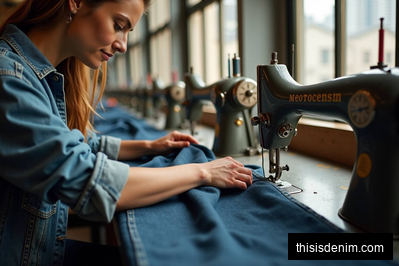
In recent years, the fashion industry has come under intense scrutiny for its environmental impact and ethical practices. Consumers are increasingly demanding transparency and responsibility from their favorite brands, pushing for a change towards more sustainable and ethically produced products. Behind the seams of our brands lies a complex network of decisions, processes, and practices that define how products are made. This blog post delves into the ethical manufacturing practices of our brands, exploring how they strive to make a positive impact on the world through their commitment to sustainability, fair labor, and quality craftsmanship.
The journey towards ethical manufacturing is multifaceted, involving a deliberate shift from traditional production methods to more sustainable and humane approaches. It requires a deep understanding of supply chain management, labor laws, environmental regulations, and consumer demands. By examining the initiatives of several leading brands, we can uncover the strategies employed to ensure ethical manufacturing practices, the challenges faced along the way, and the benefits of committing to such a noble cause.
As we delve further into the "Introduction" of the fashion industry's environmental impact, it becomes evident that sustainable practices are becoming increasingly vital. Brands are now integrating eco-friendly materials like organic cotton and recycled polyester into their collections, aiming to reduce waste and carbon footprint. Additionally, innovative technologies such as 3D printing and upcycling are revolutionizing the way garments are produced, emphasizing a shift towards a more sustainable future. Consumers are also playing a crucial role by demanding transparency and ethical practices from fashion companies, prompting a paradigm shift in the industry's approach to sustainability.
The Pillars of Ethical Manufacturing
Ethical manufacturing rests on three main pillars: environmental sustainability, fair labor practices, and product quality. Each pillar represents a critical area where brands can make a significant impact. Environmental sustainability focuses on reducing the ecological footprint of manufacturing processes, including minimizing waste, using sustainable materials, and conserving natural resources. Fair labor practices ensure that workers throughout the supply chain are treated with respect, paid fairly, and work in safe conditions. Finally, product quality emphasizes the creation of durable, high-quality products that stand the test of time, reducing the need for frequent replacements and thereby lessening waste.
Several brands have emerged as leaders in the push towards ethical manufacturing. Patagonia, for example, has long been committed to environmental sustainability, using recycled materials across a wide range of products and actively engaging in conservation efforts. On the fair labor front, Everlane transparently breaks down the costs and production processes for each item, ensuring consumers know exactly where and how their products are made. Meanwhile, companies like Nudie Jeans focus on product quality, offering free repair services to extend the life of their products, thus embodying the principles of a circular economy.
In addition to environmental sustainability and fair labor practices, another crucial pillar of ethical manufacturing is transparency. Brands that uphold transparency in their supply chain operations build trust with consumers by openly sharing information about sourcing, production processes, and working conditions. For instance, companies like Patagonia and Everlane have set industry standards by providing detailed reports on their ethical practices, empowering consumers to make informed decisions. Transparency not only holds companies accountable but also fosters a culture of integrity within the industry, driving positive change towards more sustainable and ethical manufacturing practices.
Challenges and Solutions in Ethical Manufacturing
Transitioning to ethical manufacturing practices presents a myriad of challenges for brands. One of the most significant hurdles is the higher cost of sustainable materials and fair labor practices, which can lead to increased product prices. This poses a risk of alienating price-sensitive consumers. Additionally, the complexity of global supply chains makes it difficult to ensure compliance with ethical standards at every level of production. Brands must also contend with the lack of universally accepted standards for what constitutes "ethical" manufacturing, leading to skepticism and confusion among consumers.
Despite these challenges, innovative solutions are emerging. Brands like Adidas have invested in developing new, sustainable materials, such as recycled ocean plastic, that reduce environmental impact without compromising product quality. The use of blockchain technology is also gaining traction, allowing brands to trace the origin of materials and ensure ethical practices throughout the supply chain. Collaborations between brands and certification bodies, such as Fair Trade and the Global Organic Textile Standard (GOTS), help standardize ethical manufacturing practices and provide consumers with the assurance they need to make informed purchasing decisions.
One prevalent challenge in ethical manufacturing is ensuring transparency throughout the supply chain. Brands often struggle to trace the origins of raw materials, leading to potential ethical violations. Implementing blockchain technology has emerged as a solution to this issue, enabling real-time tracking of products from source to shelf. Another obstacle lies in balancing fair wages with production costs. Many companies face the dilemma of maintaining profitability while upholding ethical labor practices. By investing in automation and efficient processes, brands can streamline operations and allocate resources towards ensuring fair compensation for workers, thus addressing this critical challenge.
Case Studies in Ethical Manufacturing
To better understand the practical application of ethical manufacturing practices, let's examine a few case studies. People Tree, a pioneer in ethical fashion, has been working with Fair Trade artisans and farmers in developing countries for over three decades, producing a wide range of clothing and accessories. Their commitment to sustainable and ethical practices is evident in their use of organic cotton, environmentally friendly dyes, and traditional handcraft techniques, which not only support local communities but also reduce environmental impact.
Another notable example is Cotopaxi, an outdoor gear brand that places a strong emphasis on social responsibility. Cotopaxi's unique business model includes dedicating a portion of their profits to alleviate poverty, selecting factories that uphold strict ethical and environmental standards, and creating products from leftover materials to reduce waste. Their innovative approach not only ensures high-quality, sustainable products but also fosters a strong sense of community and purpose among their customers.
Lastly, Veja, a French footwear brand, has gained international acclaim for its transparent and sustainable production processes. By sourcing organic cotton directly from farmers in Brazil and Peru, employing wild rubber from the Amazon, and using innovative materials like recycled plastic bottles, Veja demonstrates that it is possible to create stylish, high-quality shoes while upholding the highest standards of environmental and social responsibility.
One compelling case study in ethical manufacturing is the partnership between Patagonia and Fair Trade USA. By implementing fair labor practices and sustainable sourcing, Patagonia has set a high standard in the outdoor industry. Their commitment to transparency and worker welfare has not only improved their supply chain but also inspired other companies to follow suit. Another noteworthy example is Eileen Fisher's Vision2020, a program aiming to achieve 100% sustainability in their supply chain by the year 2020. Through initiatives like waste reduction and supporting women-owned businesses, Eileen Fisher showcases how ethical manufacturing can be a driving force for positive change in the fashion industry.
The Consumer's Role in Supporting Ethical Manufacturing
While brands play a crucial role in implementing ethical manufacturing practices, consumers also hold significant power in shaping the industry. By making informed purchasing decisions, advocating for transparency, and supporting brands that prioritize ethical practices, consumers can drive demand for more sustainable and fair products. The rise of social media and online platforms has made it easier than ever for consumers to research brands, share information, and mobilize for change, creating a more accountable and transparent fashion industry.
Consumers can support ethical manufacturing by prioritizing quality over quantity, opting for products made to last rather than disposable fast fashion items. Investing in timeless pieces not only reduces waste but also ensures that artisans and workers are fairly compensated for their craftsmanship. Additionally, engaging with brands through social media, asking questions about their manufacturing processes, and encouraging others to do the same can amplify the call for ethical practices and inspire more brands to take action.
Consumers can further bolster ethical manufacturing by choosing to support brands that prioritize transparency in their supply chains. By actively seeking out products with certifications like Fair Trade or B Corp, shoppers can signal to companies the importance of ethical sourcing and production methods. Additionally, engaging with brands on social media platforms to inquire about their sustainability efforts can encourage greater accountability and drive positive change within the industry. These actions not only empower consumers to make informed choices but also create a demand for ethical practices, influencing brands to adopt more responsible manufacturing approaches.
Conclusion
The journey towards ethical manufacturing is an ongoing process that requires the collective effort of brands, consumers, and the broader industry. While challenges remain, the examples of Patagonia, Everlane, Nudie Jeans, People Tree, Cotopaxi, and Veja demonstrate that it is possible to create high-quality, sustainable products that respect both people and the planet. By embracing the pillars of environmental sustainability, fair labor practices, and product quality, brands can lead the way in building a more ethical and sustainable fashion industry.
As consumers, we have the power to influence change by supporting brands that align with our values and by making conscious choices that prioritize sustainability and fairness. Together, we can create a demand for ethical manufacturing practices that will pave the way for a brighter, more sustainable future for the fashion industry. Let's continue to push for transparency, hold brands accountable, and celebrate those that are making a positive impact behind the seams.
In conclusion, while ethical manufacturing is a noble goal, it is crucial to ensure that the commitment to sustainability extends beyond the production process. This includes maintaining ethical practices throughout the entire supply chain, from sourcing raw materials to delivering the final product to customers. For instance, companies can work towards reducing waste by implementing recycling programs and using eco-friendly packaging materials. Additionally, fostering transparency and accountability in all aspects of operations is essential to uphold ethical standards. By continuously evaluating and improving these practices, businesses can truly make a positive impact on both the environment and society.